Electric vs Gas Patio Heaters: Pros and Cons (November 2026)
Choose electric for a fixed spot near power; choose gas for portable heat without a cord. Compare your patio layout, fuel access and clearance needs before deciding between electric vs gas patio heaters.
On this page (8 sections)
- Electric vs gas patio heaters: what is the main difference?
- Which heater is easier to place on a patio?
- Does electric or gas heat work better in open air?
- What are the upkeep differences?
- Which type costs less to run?
- Which is safer for your patio?
- Which type should you choose?
- Is electric or gas the better patio heater for you?
Choose electric for a fixed spot near power; choose gas for portable heat without a cord. Electric vs gas patio heaters differ most in how you power, place and move them.
Gas models use fuel and can work away from an outlet. Electric models need a suitable power connection, but you don't have to replace a propane tank.
Your patio layout often settles the choice. Think about where people sit, how far that spot is from an outlet or gas supply, and whether the heater can meet its clearance rules.
 Best for portable gas heat
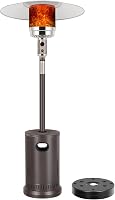
Amazon Basics 46,000 BTU Propane Patio Heater
 Best for movable electric heat
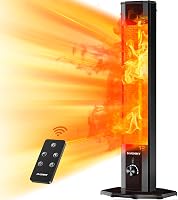
Hykolity 38.5-Inch Standing Electric Heater
Electric vs gas patio heaters: what is the main difference?
Electric heaters need a power connection, while gas heaters burn fuel at the patio. That difference affects placement, setup and what you need to keep on hand.
An electric heater can fit a set seating area when the outlet and cord route work. A gas heater can be easier to move between outdoor spots when it has a portable base and wheels.
Heat method and output vary by model, so the fuel type alone doesn't tell you how warm a seating area will feel. Compare the stated output, mounting style and the area each heater is meant to serve.
For a quick overview of fuel and design options, see our guide to types of patio heaters.
Which heater is easier to place on a patio?
Electric works well when you can place the heater near a suitable outlet; gas is more flexible when you need to move it around. Neither type should go wherever it fits without checking clearances and instructions.
A standing electric heater can be placed near a seating area, but the cord and outlet shape the usable location. A wall-mounted electric unit needs a suitable mounting spot and power access.
A portable propane heater can be moved into position without a power cord. It still takes floor space and needs a suitable outdoor location, fuel tank and safe clearance from combustible materials.
When does a standing heater make sense?
A standing heater makes sense when you can keep its base stable and route its cord or fuel supply safely. Its footprint should not block a walkway or make it easy to bump.
The Hykolity standing electric heater has 2 heat levels, a remote and a timer. It includes tip-over and overheat protection, but those features don't replace stable placement or the instructions.
When does a wall-mounted heater make sense?
A wall-mounted heater makes sense when you want heat from a fixed position and have a suitable surface for installation. Plan the location around the seating area, wiring and the heater's required clearances.
The Hykolity wall-mounted model has 3 power levels and an IP55 rating for water and dust protection. Check its instructions for mounting, weather exposure and clearance requirements before use.
Does electric or gas heat work better in open air?
Wind and open sides can affect both types, so choose by the seating area and heater placement rather than fuel alone. Radiant heat can warm people and nearby surfaces, but an open, breezy patio may disperse warmth.
A gas heater's listed coverage is not a guarantee of comfort across an entire patio. The Amazon Basics propane model is described for up to a 9-foot radius, but furniture layout, wind and distance still matter.
Electric infrared heaters also need to be aimed and placed for the seating area. A wall or standing position that leaves the heat directed away from people can make the setup less useful.
Our guide to whether patio heaters work on a cold night explains why wind, clothing and open space shape comfort.
What are the upkeep differences?
Electric models avoid fuel-tank handling, while gas models require fuel and attention to gas components. Both need routine checks, cleaning and safe storage based on their manuals.
With propane, you need a suitable tank and must manage its connection and replacement. Check hoses and connections as the manual directs, and stop using the heater if you notice a gas smell or a damaged part.
With electric heat, inspect the cord, plug and housing before use. Keep connections dry and use only outdoor-rated electrical equipment where required.
For propane setup and tank questions, see our guide to choosing a propane tank for a patio heater. For common ignition issues, read why a patio heater won't light.
Which type costs less to run?
The cheaper option depends on your local energy rates, fuel use and how long you run the heater. Compare actual operating costs for the exact models and your expected hours of use.
An electric heater's wattage helps estimate energy use, but the electricity price and runtime determine the bill. A propane heater's consumption rate and tank price matter, and heat settings can change how quickly fuel is used.
Don't assume a larger output means a lower cost per hour. The gas model's BTU figure and an electric model's wattage describe different inputs, so compare energy costs with a consistent time period and your local rates.
See whether electric patio heaters are expensive to run for the factors that affect an electric heater's operating cost.
Which is safer for your patio?
Both types can be used safely only when the location, power or fuel setup, and clearances follow the heater's instructions. Keep heaters away from combustible materials and protect them from being knocked over or damaged.
A propane patio heater has an open flame and needs outdoor placement with the required clearance. Never use outdoor gas equipment in an enclosed space, and follow the manual for tank installation and storage.
An electric heater avoids an open flame at the heating source, but it still gets hot and needs suitable weather protection and electrical connections. Keep cords out of walkways and follow the mounting and clearance instructions.
If you have a covered patio, read our guidance on heating a covered patio safely. Our article on patio heater safety covers placement checks for both fuel types.
Which type should you choose?
Pick electric for a fixed seating area with safe power access; pick gas when you need portable heat away from an outlet. Then compare the specific model's output, placement requirements and upkeep.
The Amazon Basics propane heater has wheels, adjustable output and a 46,000 BTU rating. It needs a separate 20 lb liquid propane tank, so choose it only if fuel handling and outdoor placement fit your routine.
The standing Hykolity suits a patio where you can position an electric heater near a suitable outlet. The wall-mounted Hykolity suits a fixed spot where mounting and power access are practical.
Our scores weigh listed specs and features against what someone comparing electric vs gas patio heaters needs. We did not test these heaters.
Is electric or gas the better patio heater for you?
Choose the fuel and format that fit your patio's power access, movement needs and safety clearances. Electric is a practical fit for a fixed spot near power; gas can suit portable outdoor use away from an outlet.
If you choose propane, plan for the tank and follow the heater manual. If you choose electric, plan the cord route or wall location before deciding where people will sit.
For a broader match to your space and setup, use our guide to choosing the best patio heater for your space.
Sources
- U.S. Consumer Product Safety Commission: Outdoor heater safety
- U.S. Department of Energy: Infrared heaters
Frequently asked questions
Are electric or gas patio heaters better?
Electric heaters suit fixed areas with a suitable outlet, while gas heaters suit outdoor seating where portability and freedom from a power cord matter. Compare the exact heater's output, placement instructions and safety requirements with your patio before choosing.
Do electric patio heaters cost less to run than gas?
There isn't one answer for every patio. Electric costs depend on the heater's wattage, hours of use and your electricity rate; gas costs depend on fuel use and local propane or natural gas costs.
Compare expected use and local rates for the models you are considering.
Can you use a gas patio heater under a covered patio?
Only use a gas patio heater under a cover if the heater's manual allows that location and its clearance rules can be met. Gas heaters need careful placement and ventilation, so check the covered patio guidance and local requirements before using one.
Can an electric patio heater get wet?
Only use an electric heater outdoors in the conditions its instructions allow. Some models have water protection ratings, but a rating does not replace the manual's placement and weather guidance.
Keep electrical connections suitable for outdoor use.
Which type of patio heater is easier to move?
A portable gas model with wheels can be moved without a power cord, but you'll need to account for its fuel tank. A standing electric heater can also be repositioned, though its cord and outlet affect where it can go.